
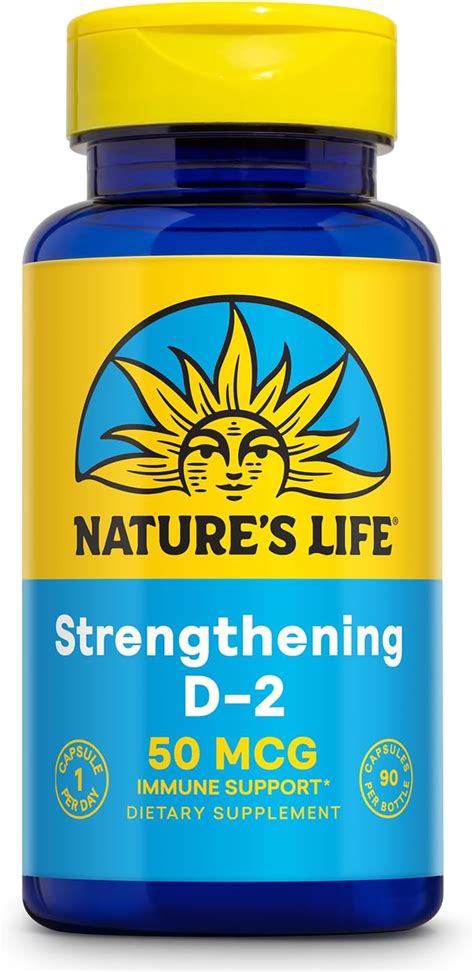
A Winter Reset: Vitamin D2 200 Boosts My Energy Again

In mid-winter fatigue, I found a practical focus for energy: Vitamin D2 200. This simple daily supplement helped restore daytime energy, keep me mentally sharp, and improve mood during the darkest weeks. By aligning my routine with daylight scarcity, I felt a tangible reset that lasted beyond a few sunny days.
Vitamin D2 200 is a plant-derived form of vitamin D designed to support normal levels when sun exposure is limited. While sunlight remains the best source, a steady intake of Vitamin D2 200 can help bridge the gap, supporting energy, mood, and overall vitality as days grow shorter.
Key Points
- Vitamin D2 200 can support energy and mood during the darkest weeks by helping maintain normal vitamin D status.
- Taking Vitamin D2 200 with a small amount of fat improves absorption and effectiveness.
- A consistent daily dose beats infrequent spikes for steady daytime energy.
- Pairing Vitamin D2 200 with calcium and magnesium can support bone and muscle health.
- If fatigue persists, consider checking vitamin D levels with a clinician and adjust your plan accordingly.
Understanding Vitamin D2 200 and Winter Energy
Vitamin D2 200 is one form of the nutrient used to support vitamin D status. Compared with Vitamin D3, D2 is often preferred by those seeking plant-derived options. In winter, when daylight is scarce, maintaining adequate vitamin D levels becomes more challenging; Vitamin D2 200 helps by binding to vitamin D receptors and supporting immune and bone health, which can contribute to a more stable energy profile.
Keep in mind that individual needs vary. A balanced approach—sunlight when available, a nutritious diet, exercise, and responsible supplementation—works best. If you have questions about dosage or interactions, consult with a healthcare professional. Vitamin D2 200 is part of a broader approach to wellness, not a solo fix.
My Daily Routine with Vitamin D2 200
My routine centers on a steady daily dose of Vitamin D2 200 taken with breakfast that includes healthy fats to boost absorption. I aim for consistency, recording how energy shifts across the day. I also pair the supplement with a brief outdoor walk or exposure to daylight when possible, plus hydration and regular movement to support overall vitality.
Safety and Practical Tips
Be mindful of total daily intake if you take other supplements. While Vitamin D2 200 is generally safe at moderate doses, excessive intake can raise calcium levels and cause symptoms like nausea or fatigue. If you have kidney disease, take medications affecting calcium, or are pregnant, talk with a clinician before starting or adjusting supplementation. Vitamin D2 200 is most effective when used as part of a balanced wellness plan, not as a solo solution.
What is Vitamin D2 200, and how does it relate to energy?
+Vitamin D2 200 is a plant-derived form of vitamin D used to support normal vitamin D status, especially when sun exposure is limited. Energy and mood can feel steadier when vitamin D levels are maintained, but results vary by person, diet, and activity. This article uses Vitamin D2 200 as a practical example of winter energy strategy.
How soon might I notice an energy boost after starting Vitamin D2 200?
+Energy changes from vitamin D can take a few weeks, and depend on baseline levels, sunlight, and lifestyle. Some people notice subtle improvements in mood and daytime alertness within 2–4 weeks, while others see gradual gains over a couple of months. Consistency matters.
Are there risks or side effects with Vitamin D2 200?
+Vitamin D2 200 is generally safe at moderate doses, but excessive intake can raise calcium levels and cause symptoms like nausea or fatigue. If you have kidney disease, take medications affecting calcium, or are pregnant, talk with a clinician before starting or adjusting supplementation.
What dosage guidance should I follow for Vitamin D2 200?
+Follow the product label and your clinician’s advice. Typical guidance ranges from 200 to 1000 IU daily for adults, with adjustments based on age, health, and sun exposure. Consider a vitamin D blood test (25(OH)D) to tailor your plan and avoid excess.