
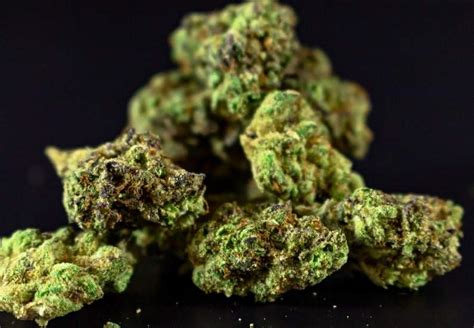
The term Cocaine Like Cannabis Strains has circulated widely online, often mixing sensational claims with uncertain science. In this article we break down what the phrase may refer to, debunk common myths, and explain the potential risks and observed effects so readers can approach the topic with clarity.
Key Points
- Not all products marketed as Cocaine Like Cannabis Strains contain cocaine or stimulant compounds; cross-contamination and mislabeling are common concerns.
- Myths can lead people to underestimate risks or ignore warnings about potency, impurities, and interactions with medications.
- Real-world effects vary widely depending on product quality, consumer physiology, and dose, making generalizations risky.
- Regulatory oversight for cannabis products is uneven, leading to inconsistent labeling and quality control.
- Safer choices include avoiding unknown products, seeking official testing, and consulting medical professionals when in doubt.
What people mean by Cocaine Like Cannabis Strains
In everyday discussions, people might be referring to cannabis products that deliver unusually strong or stimulating effects, or to products with added substances. A key distinction is that cannabis and cocaine are different drugs with distinct risk profiles, and there is no legitimate cannabis strain that contains cocaine by design.
Myths vs Reality
Myth: These products deliver cocaine-like highs because they are marketed as such.
Reality: No cannabis product should legally include cocaine. What some users experience as a stimulant-like buzz can come from high levels of THC, other legal stimulants present in a product, caffeine, or adulterants. Mislabeling and contamination are important risks to consider.
Risks and Safety Considerations
Using products framed as cocaine-like carries cardiovascular and mental-health risks, especially for people with heart conditions, anxiety, or a history of psychosis. Rapid heart rate, elevated blood pressure, dizziness, and paranoia are possible, and the effects can be amplified when combined with alcohol or other drugs.
Observed Effects and Variability
Effects vary by dose, setting, and individual physiology. Some users report heightened alertness or energy, while others experience anxiety, confusion, or a crash as effects fade. It’s important to note that even “cannabis-like” products can produce potent and unpredictable responses.
What exactly are Cocaine Like Cannabis Strains?
+They are cannabis products marketed with terms implying cocaine-like effects, but there is no recognized cannabis category that contains cocaine; any stimulant-like sensation may result from other factors such as high THC, caffeine, or adulterants. Always rely on labeling and lab testing.
Are Cocaine Like Cannabis Strains safe to use?
+No product marketed with this label should be assumed safe. Potential risks include heart rhythm changes, anxiety, confusion, and interactions with medications or other substances. Safer use means avoiding unknown products and seeking reliable testing information.
Can these products interact with medications?
+Yes. Cannabis products can interact with many medications, and stimulant-like additives can complicate this further. If you take prescription meds or have a medical condition, consult a clinician before using such products.
How can I reduce risk if I encounter such products?
+Prioritize sources with third-party lab testing, avoid brands with unclear or missing labels, don’t mix cannabis products with alcohol or other drugs, start with very small doses, and avoid use if pregnant or nursing. If you have underlying health conditions, talk with a healthcare professional before trying anything new.