

Understanding Can Gerd Cause Intragastric Pressure Today
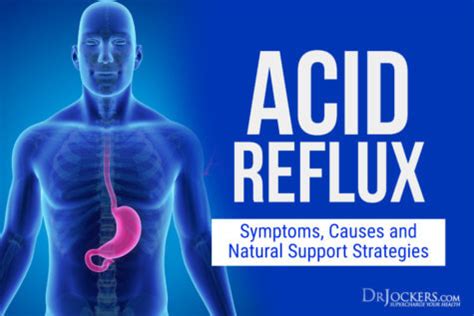
Can Gerd Cause Intragastric Pressure today is a question many readers ask when digestive discomfort appears. This article explains what intragastric pressure is, how it can relate to GERD, and what practical steps may help reduce symptoms. By understanding the link between reflux and abdominal pressure, you can make informed choices about meals, lifestyle, and when to seek care.
Key Points
- Intragastric pressure refers to the force inside the stomach that can influence reflux episodes.
- Meal size, gas production, and body position can all affect intragastric pressure.
- Not every pressure sensation means a serious condition, but persistent symptoms warrant evaluation.
- Lifestyle changes such as smaller meals and avoiding trigger foods can lower pressure and reflux risk.
- Medical assessment can identify contributing conditions like hiatal hernia or delayed gastric emptying.
Can Gerd Cause Intragastric Pressure: Causes and Context
The phrase Can Gerd Cause Intragastric Pressure describes how reflux risk can rise when the stomach holds more air or food than it can comfortably manage. GERD and intragastric pressure often interact: when pressure increases, the lower esophageal sphincter may be challenged, allowing contents to travel back toward the esophagus. People may notice a sense of fullness, tightness, or pressure in the upper abdomen that coincides with meals or after lying down. Recognizing this connection helps distinguish normal fullness from pressure-driven symptoms.
Causes and Factors That Increase Intragastric Pressure
Several factors can lift intragastric pressure, including overeating, fatty or spicy foods, carbonated drinks, and swallowing air during meals. Conditions such as delayed gastric emptying or a hiatal hernia can keep the stomach fuller for longer, elevating pressure and increasing reflux risk. Stress, tight clothing, and insufficient sleep may also contribute by altering digestion and gas handling.
Managing Can Gerd Cause Intragastric Pressure: Practical Strategies
To reduce intragastric pressure and related symptoms, try smaller, more frequent meals, chew slowly, and avoid late-night eating. Limit carbonated beverages and foods that trigger symptoms, and strive to stay upright for at least 2–3 hours after meals. Elevating the head of the bed by a few inches and wearing loose clothing can lessen abdominal pressure during sleep. If symptoms persist, discuss acid-suppressing therapies or prokinetic options with a clinician, as appropriate for your situation.
When to See a Doctor
Seek medical evaluation if you have persistent heartburn, chest pain, unintentional weight loss, vomiting, difficulty swallowing, or symptoms that worsen despite lifestyle changes. A clinician can assess for GERD-related complications or other conditions that raise intragastric pressure and tailor a treatment plan to your needs.
What is intragastric pressure and how is it measured?
+Intragastric pressure is the force inside the stomach during digestion. It can be assessed indirectly through symptoms or directly with specialized procedures like gastric manometry in clinical settings. Normal ranges vary, and such testing is not routine for most people.
Can reducing intragastric pressure help with GERD symptoms?
+Reducing intragastric pressure can often lessen reflux episodes. Practical steps include smaller meals, avoiding triggers, maintaining an upright posture after eating, and following any medical recommendations for acid suppression or prokinetic agents when advised by a clinician.
Are there warning signs that require urgent care?
+Yes. Seek urgent care if you experience severe chest pain with shortness of breath, fainting, difficulty swallowing, vomiting blood, or weight loss. These could signal a condition that needs prompt evaluation beyond routine acid-reflux management.
Is Can Gerd Cause Intragastric Pressure the same thing as acid reflux?
+They’re related concepts. GERD refers to chronic reflux of stomach contents into the esophagus, while intragastric pressure describes the force inside the stomach that can influence reflux. High pressure can contribute to more frequent reflux events, especially after large meals or when gas is trapped.
Does weight loss affect intragastric pressure?
+Weight management can influence intra-abdominal pressure and gastric dynamics. In many cases, modest weight reduction is associated with fewer reflux events and lower overall gastric pressure, though results vary by individual and should be discussed with a healthcare professional.